
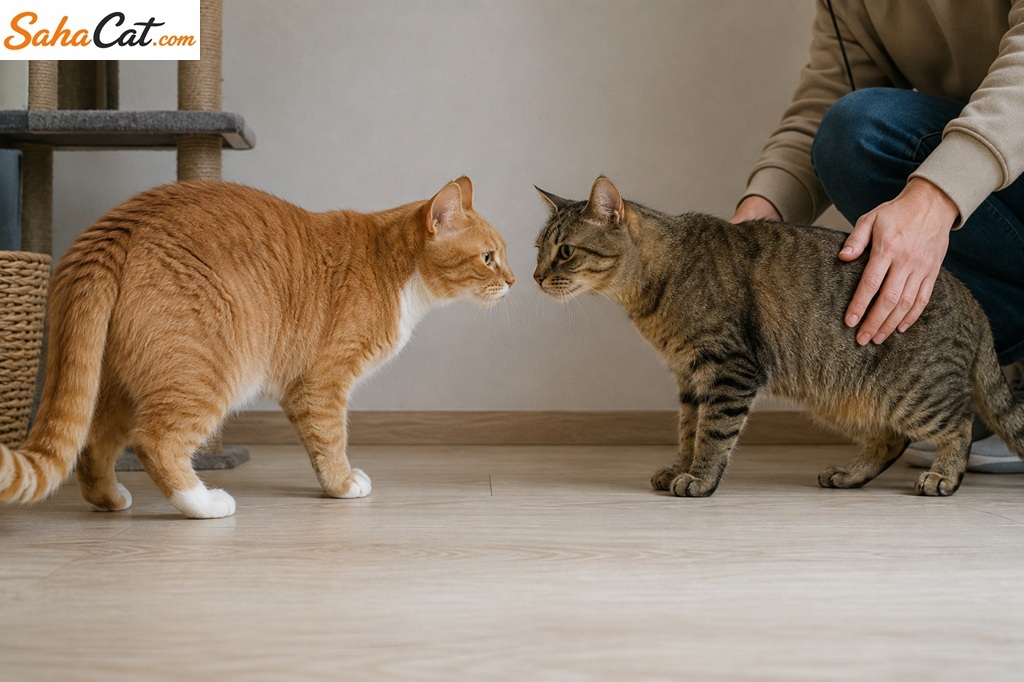
A hiss, a swat, a sudden bite — it’s startling, and it can feel like it came out of nowhere. It didn’t. Aggression is one of the more common reasons cats end up seeing a veterinary behaviorist, second only to litter box and urine-marking problems, and it’s never about spite or dominance. It’s communication: “I’m uncomfortable,” “I’m scared,” or “I need space right now.”
Rule Out a Medical Problem First
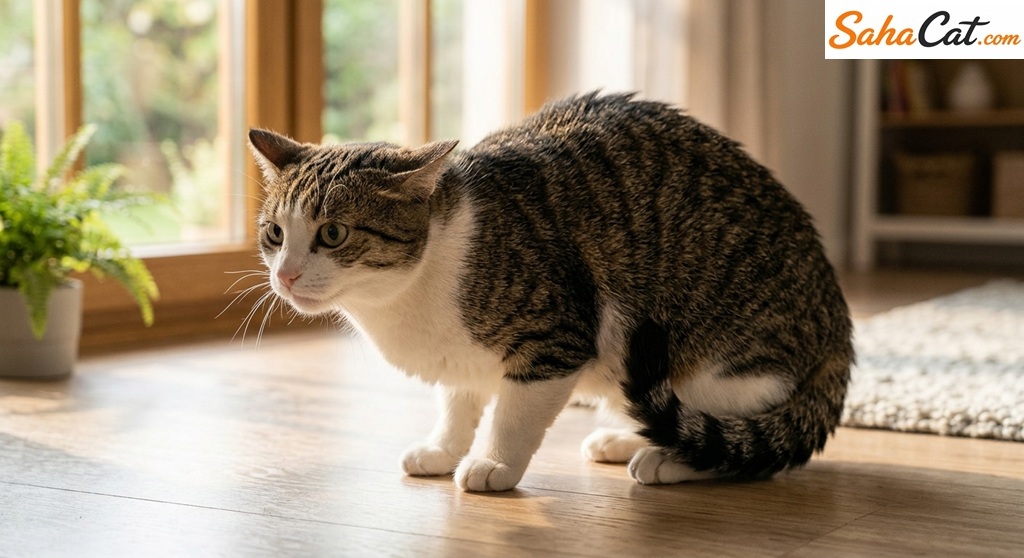
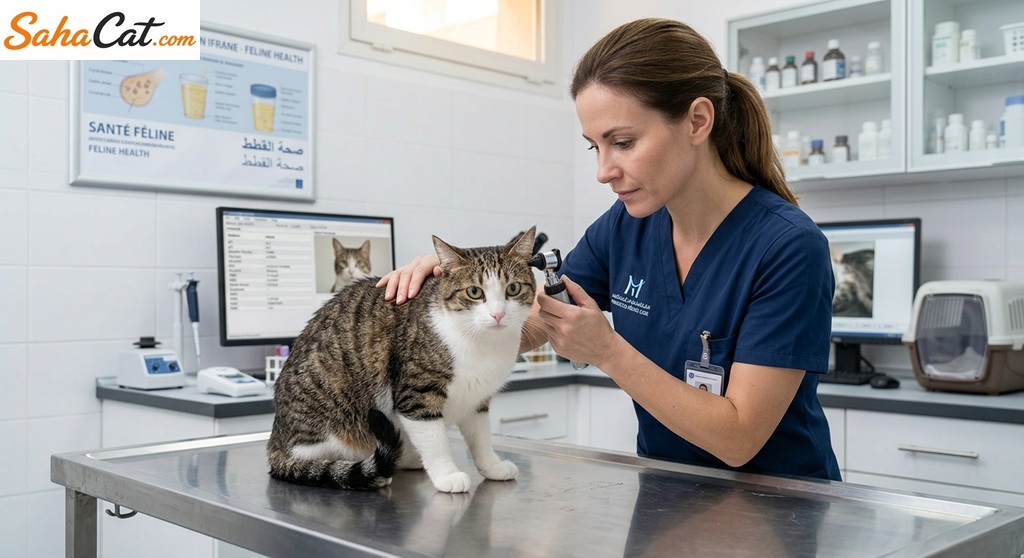
Before treating aggression as purely behavioral, a vet visit belongs at the top of the list — not the bottom. Pain is one of the most common medical causes of sudden aggression, especially in older cats or ones with an otherwise calm temperament. Conditions worth ruling out include arthritis, dental disease, or injury-related pain; hyperthyroidism; neurological problems or cognitive decline; and skin conditions that make touch uncomfortable. A cat in pain can lash out when touched even in a spot far from where it actually hurts — so a normally gentle cat suddenly reacting badly to petting is a reason to call the vet, not assume a personality change.
If This Is Happening Right Now
- Don’t try to soothe or calm an aggressive cat in the moment — approaching her while she’s still worked up can turn into redirected aggression aimed at you.
- Move away calmly, with slow, fluid movements, and avoid direct eye contact.
- Use a barrier if you need one — a cardboard box, pillow, or blanket between you and the cat.
- Give her space to decompress rather than continuing to approach or handle her.
- If you were bitten, take it seriously. Cat bites carry a real infection risk — cat teeth are thin and sharp enough to drive bacteria deep into tissue, more so than a scratch typically would. Wash the area with soap and water right away, and see a doctor if the skin broke, especially for a bite on the hand or near a joint, or if redness, swelling, or warmth increases over the following hours.
The Main Types of Aggression
Fear Aggression
When a cat feels threatened and can’t escape, aggression becomes a defense mechanism. Look for ears pulled back, a tense or lowered body, dilated pupils, and fur standing on end — she may hiss, growl, or scream. This often stems from inadequate early socialization, but any cat can react this way when frightened enough, and a cat who learns aggression successfully ends a threat is more likely to use it again.
Petting-Induced (Overstimulation) Aggression
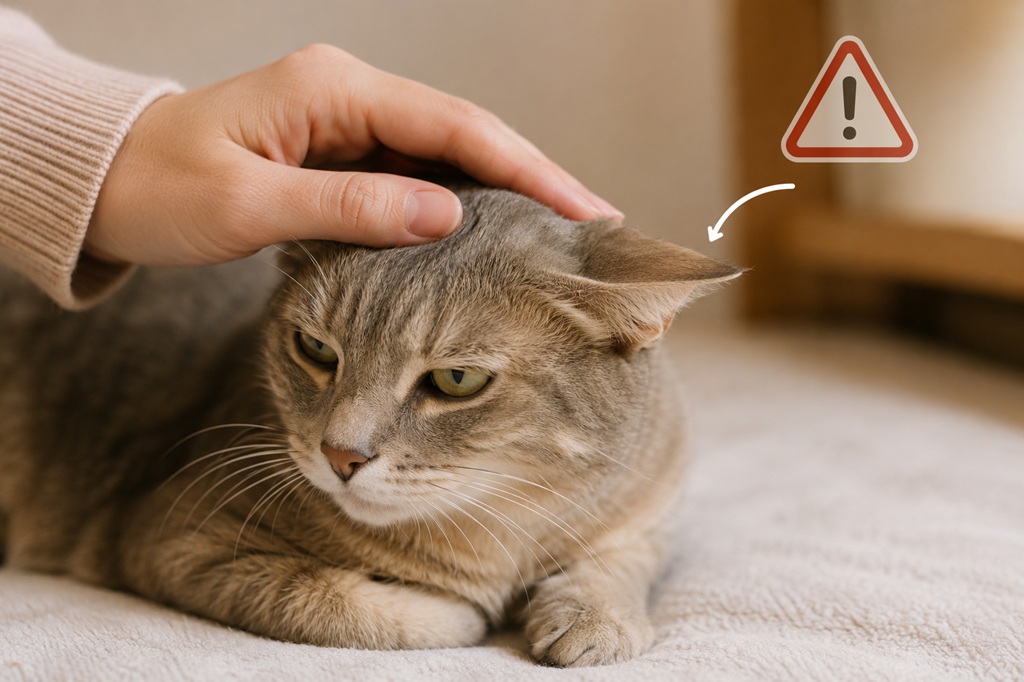
One of the most common types — roughly 40% of feline aggression cases seen by behaviorists. A cat who appears to be enjoying petting, even soliciting it, suddenly turns and bites. What’s actually happening is a stimulation threshold being reached: repetitive stroking, especially near the base of the tail, can shift from pleasant to irritating fast. Tail twitching, ears flattening, and body tensing are the warnings that usually come first.
Redirected Aggression
One of the most unpredictable types. A cat gets frightened or overstimulated by something she can’t reach — a strange cat outside the window, a loud noise, an unfamiliar visitor — and lashes out at the nearest person or pet instead. She isn’t attacking you; she’s reacting to a threat she can’t access. This can happen in an instant, and the aroused state can linger for hours afterward, which is exactly why approaching too soon can restart the reaction.
Territorial Aggression
Cats are territorial by nature, and this type is directed at people or animals approaching what a cat considers hers — a room, a resting spot, sometimes the whole house. It typically emerges around social maturity, between two and three years old, and can show up as blocking access, staring, growling, stalking, or chasing. It’s a leading cause of conflict between cats sharing a household.
Play Aggression
All feline play is mock aggression — stalking, chasing, pouncing, swatting — and that’s normal, especially in kittens. Problems start when play escalates past that or gets misdirected at hands, usually because hands were used as toys early on and the cat never learned the boundary.

Managing It Long-Term
- Identify and avoid triggers — note what happened right before an episode (a visitor, a loud noise, a specific kind of touch) so you can manage or avoid it going forward.
- Respect her threshold — stop petting at the first sign of tail twitching, ear rotation, body tensing, dilating pupils, or her head turning toward your hand, rather than waiting for an escalation.
- Build an enriched environment — vertical space, hiding spots, and, in multi-cat homes, separate food, water, litter boxes, and resting areas so cats aren’t competing for the same resources.
- Keep routines predictable — consistent feeding, play, and interaction times reduce baseline stress.
- Reward calm behavior — praise or a treat when she’s relaxed reinforces the behavior you actually want.
- Consider a pheromone product like a synthetic feline facial pheromone diffuser, particularly in multi-cat households.
- Introduce new cats gradually — separate space and scent familiarity before any visual contact heads off a lot of territorial conflict before it starts.
- Spay or neuter — intact males are especially prone to hormonally driven aggression and territorial fighting.
- Bring in a professional for anything persistent or severe. A veterinary behaviorist can build a plan around desensitization and counterconditioning — gradual, calm exposure to a trigger paired with something positive — and, when appropriate, medication such as fluoxetine, which typically takes four to six weeks to show its full effect.
When Cats in the Same Household Fight
Territorial, fear-based, and redirected aggression are the leading causes of conflict between housemate cats — and letting them “fight it out” doesn’t resolve it, it tends to escalate it. Instead:
- Interrupt with a loud clap or a spray of water from a distance — never aimed at the face.
- Separate them into different rooms for several days to weeks, each with their own food, water, litter box, and bed.
- Reintroduce gradually through scent swapping and controlled visual contact at a distance, the same slow process used for a brand-new introduction.
- A structured desensitization and counterconditioning program can help for reintroductions that keep stalling.
When to Seek Veterinary Help
Get to a vet promptly if aggression is sudden and out of character, comes with other signs of illness (lethargy, appetite loss, hiding), or is frequent and escalating. And always loop in a vet before starting any behavior modification program on your own — ruling out a medical cause first shapes what actually comes next.
The One Sign That Changes Everything Above
Everything here assumes a behavioral explanation. If your cat’s aggression appeared suddenly, doesn’t fit her usual personality, or shows up alongside any change in appetite, energy, or litter box habits, none of the management strategies above are the right first move — a vet visit is. Getting that order right is the difference between managing a behavior and missing a medical problem underneath it.
This article is for informational purposes only and does not replace professional veterinary or medical advice. If you were bitten and are unsure whether you need care, err on the side of seeing a doctor, particularly for bites to the hand, wrist, or face.
Last reviewed: September 2026