

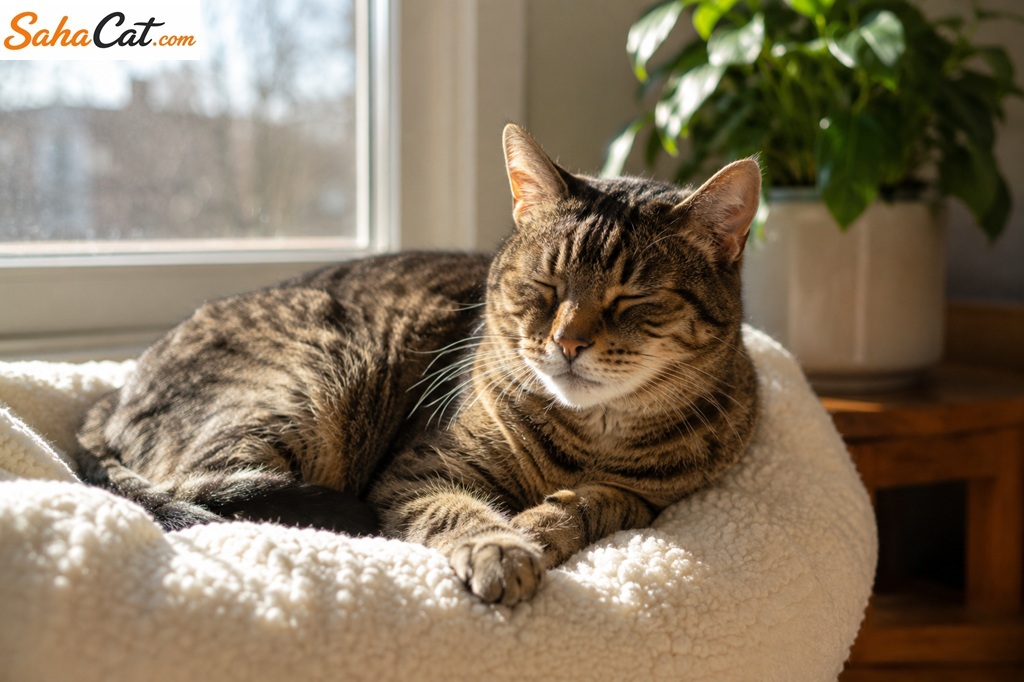
The short answer: most indoor cats live somewhere between 12 and 18 years, with UC Davis researchers citing 15 to 17 years as typical for well-cared-for indoor cats, and a growing number reaching their early-to-mid 20s. Outdoor cats fare far worse — commonly cited in the 2-to-8-year range depending on the study and environment, largely due to traffic, disease exposure, and predation rather than anything inherent to being a cat. The current Guinness World Records holder for oldest living cat, Flossie, turned 30 in December 2025 — a reminder of the ceiling, not the average.
The Life Stages, Named
Veterinary organizations don’t treat “cat years” as one flat category. The American Animal Hospital Association and American Association of Feline Practitioners define kittens as under 1 year, young adults as 1 to 6, mature adults as 7 to 10, and seniors as 10 and up — with AAFP further splitting senior cats into “senior” (11–14) and “geriatric” (15–25). This matters practically: the AAFP guidelines recommend more frequent vet visits once a cat crosses into the senior category, not just “as she gets older” in the abstract.
The Single Biggest Factor: Indoor vs. Outdoor
Nothing else on this list comes close to the effect size of this one. The gap between roughly 15 years indoors and roughly 2 to 8 years outdoors dwarfs what diet, supplements, or any other single choice can realistically add. Outdoor cats face traffic, fights with other animals, parasite and infectious disease exposure (including FIV and FeLV from other cats), and toxin exposure that indoor cats largely avoid. A secure outdoor enclosure (“catio”) or supervised leash time can offer outdoor enrichment without most of that risk, which is a reasonable middle path for a cat who seems to want more than a window can offer.

Spay or Neuter: A Real but Modest Effect
Worth stating precisely rather than inflating: a 2024 VetCompass study found neutered cats lived, on average, about 1.07 years longer than intact cats. That’s a genuine, measurable effect, tied largely to reduced roaming, fighting, and reproductive-related disease risk — but it’s a modest addition next to the indoor/outdoor difference above, not a dramatic one. Our full spay/neuter guide covers the health case in more detail.
Nutrition and Weight
A balanced, life-stage-appropriate diet and a healthy body weight reduce the risk of diabetes and joint problems that erode both lifespan and quality of life. Body condition scoring — checking for a visible waist and feeling for ribs under a light fat layer — is a better ongoing check than appearance alone, since gradual weight gain is genuinely hard to notice day to day.
Preventive Veterinary Care
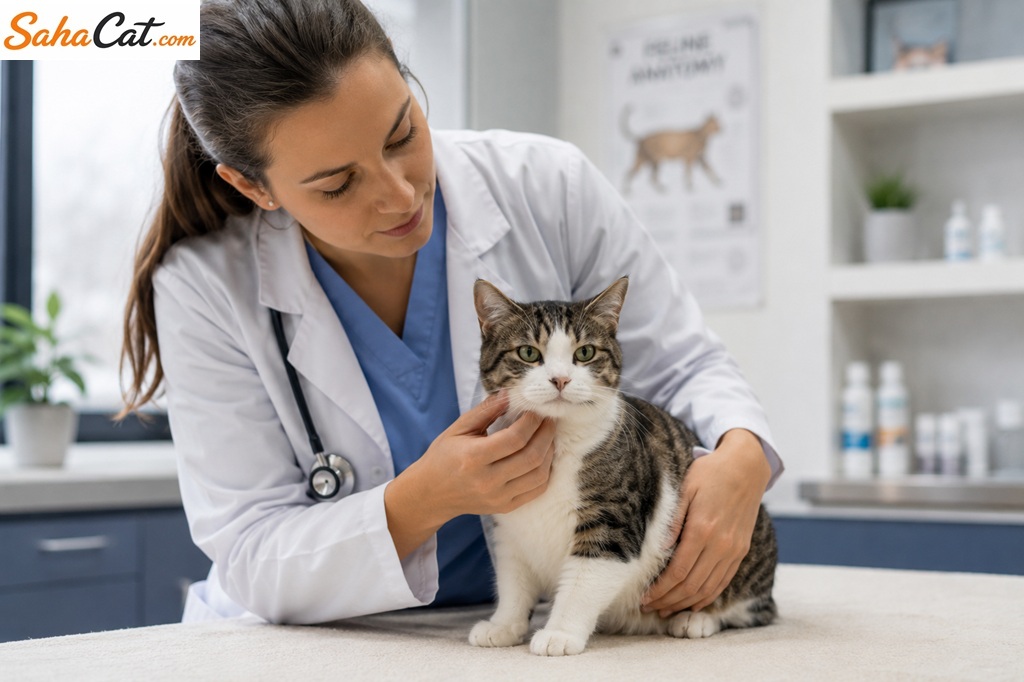
Regular wellness visits catch problems while they’re still manageable, which matters more for cats than for many other pets given how well cats mask illness. Vaccination status, parasite prevention, and routine bloodwork as your vet recommends all contribute here — and the AVMA’s own data shows cats are taken to the vet noticeably less often than dogs, which is worth correcting for rather than assuming your cat is fine simply because she seems fine.
Dental Health
Dental disease is genuinely common by early adulthood, and chronic oral inflammation has been linked to broader health effects beyond the mouth. One myth worth flagging: standard dry kibble doesn’t meaningfully reduce this risk on its own, according to WSAVA’s dental guidelines — brushing and professional cleanings do the real work.
Mental and Physical Enrichment
Regular play and climbing opportunities support muscle tone and weight management as a cat ages, and an engaged cat tends to handle the physical changes of aging better than a sedentary one. Our guide to indoor cat enrichment covers how to keep play genuinely engaging rather than something a cat loses interest in within weeks.

Senior Cat Adjustments
Once a cat crosses into the senior category, more frequent vet visits help catch age-related conditions — kidney disease, arthritis, hyperthyroidism — early enough to manage well. Practical home adjustments matter too: lower-sided litter boxes for cats with joint stiffness, easier access to resting spots, and paying attention to subtle behavior changes rather than assuming everything unusual is “just old age.”
The One Decision With the Biggest Effect
Every factor above is worth doing well, but they’re not equally weighted. If you’re deciding where to put your effort, the indoor-vs-outdoor decision accounts for a larger lifespan difference than everything else on this list combined. Everything else here is about optimizing years already likely to happen — that one decision is closer to determining how many years there are to optimize in the first place.
Sources: UC Davis School of Veterinary Medicine; Cornell Feline Health Center; American Animal Hospital Association (AAHA) and American Association of Feline Practitioners (AAFP) feline life stage guidelines; VetCompass 2024 study on neuter status and longevity (via Embrace Pet Insurance); Guinness World Records.
Last reviewed: 7 September 2026.