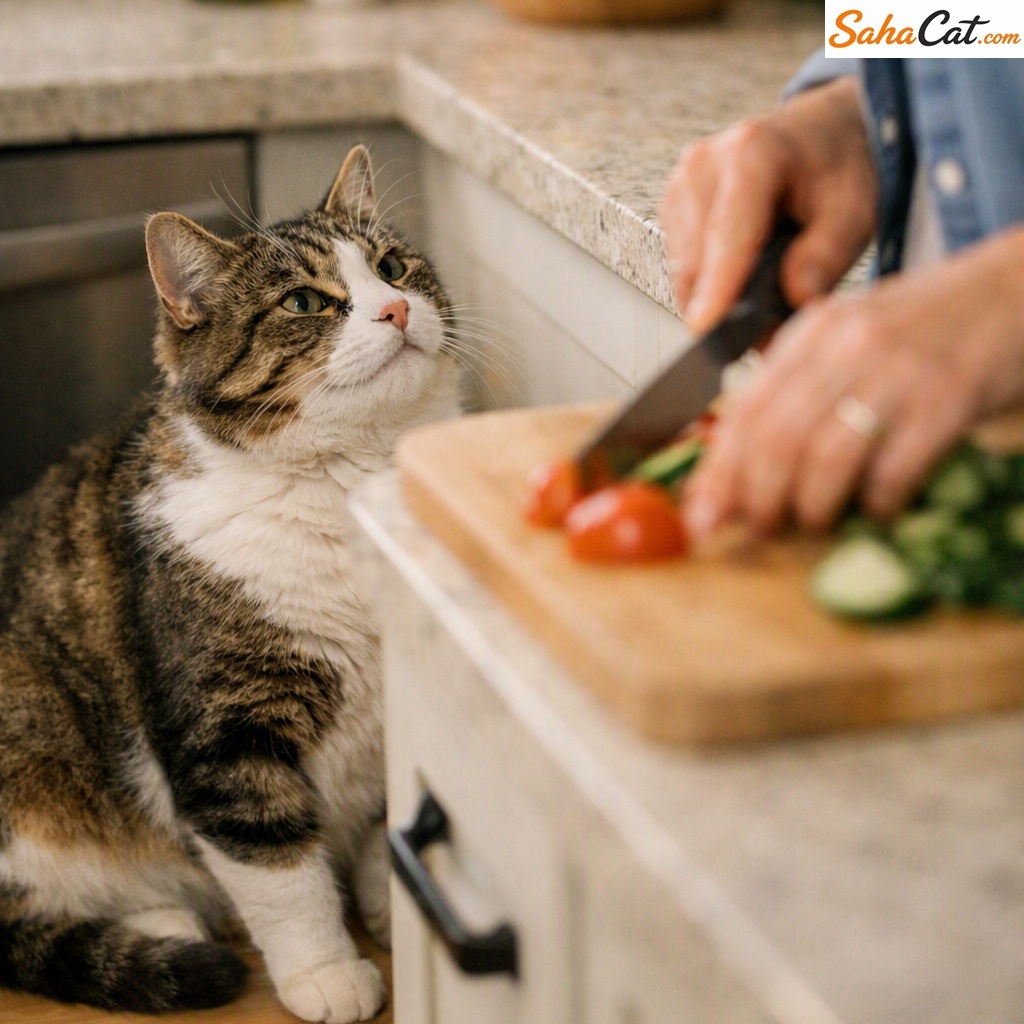
Sharing a bite of your meal with a cat can feel harmless, especially when your cat is sitting nearby and asking for a taste. But some foods that are perfectly safe for people can be toxic, difficult to digest, or otherwise dangerous for cats.
Cats are also different from dogs when it comes to food risks. Their smaller bodies, unique metabolism, and obligate-carnivore biology mean that certain ingredients deserve particular caution.
The safest approach is simple: keep your cat’s diet centered on a complete and balanced cat food, and treat human foods as optional rather than necessary.
This guide covers the most important foods and ingredients to keep away from cats, plus what to do if your cat accidentally eats something it should not.
Important: This article is for general educational information and does not replace veterinary advice. If your cat has eaten a potentially toxic food, contact a veterinarian or emergency veterinary clinic promptly. Do not wait for symptoms to appear.
Quick List: Foods Cats Should Not Eat
Keep these foods and ingredients away from your cat:
Onions, garlic, chives, leeks, and other allium plants
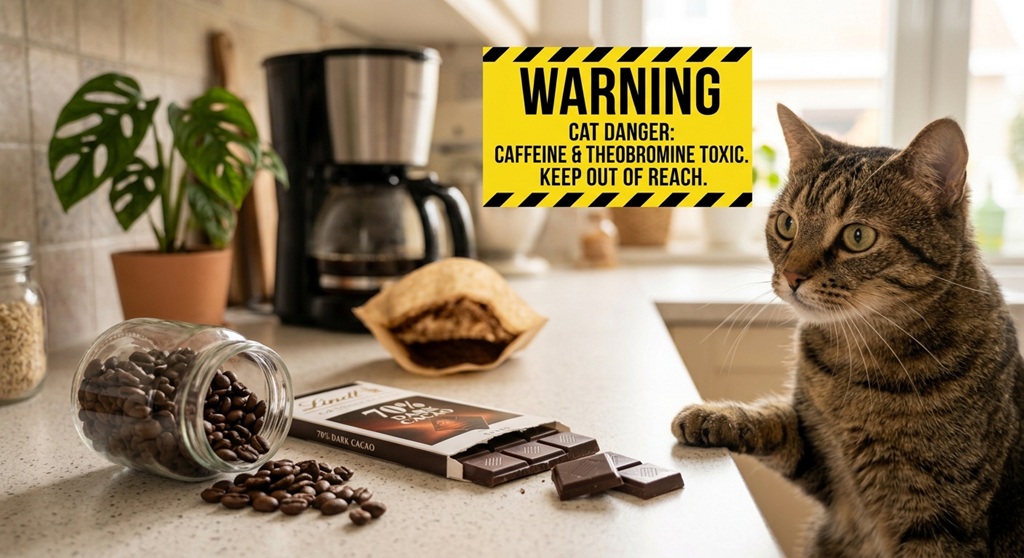
Chocolate, cocoa, coffee, and other significant sources of caffeine
Alcohol
Grapes and raisins
Raw yeast dough
Foods containing xylitol or other questionable sugar-free ingredients
Excessively salty foods
Very fatty or heavily seasoned foods
Raw or undercooked meat and eggs
Raw fish, if fed regularly or as a primary food
Cooked or raw bones
Spoiled or moldy food
Some foods on this list are genuinely toxic, while others are unsafe because they can cause digestive illness, bacterial infection, choking, or intestinal obstruction.
1. Onions, Garlic, Chives, and Leeks
Allium vegetables are among the most important foods to keep away from cats. This group includes:
Onions
Garlic
Chives
Leeks
Shallots
Onion or garlic powder
Dehydrated onion or garlic
Foods heavily seasoned with onion or garlic
Cats are particularly susceptible to Allium toxicity — more so than dogs relative to body weight, which matters because owners sometimes assume a small amount of onion or garlic powder is a dog-specific warning. These plants contain compounds that can damage red blood cells and cause hemolytic anemia. The problem is not limited to raw vegetables: cooked, dried, powdered, and concentrated forms can also be dangerous.
Garlic is especially concerning because it is more concentrated than onion.
Why are onions and garlic dangerous?
After ingestion, the compounds can cause oxidative damage to red blood cells. Signs may not appear immediately and can take several days to develop.
Possible signs include:
Lethargy or weakness
Loss of appetite
Pale gums
Rapid breathing or heart rate
Vomiting
Yellowing of the gums, eyes, or skin
Dark or reddish urine
Collapse in severe cases
Do not assume a small amount is automatically safe. Concentrated powders and seasonings can be particularly problematic.
2. Chocolate and Cocoa
Chocolate should not be offered to cats.
Chocolate contains methylxanthines, especially theobromine and caffeine, which can affect the nervous system and cardiovascular system.
The risk varies with the type and amount of chocolate. Dark chocolate, baking chocolate, and cocoa powder generally contain more methylxanthines than milk chocolate.
Possible signs of chocolate toxicity include:
Vomiting
Diarrhea
Restlessness or agitation
Increased thirst or urination
Rapid heartbeat
Tremors
Poor coordination
Seizures
Abnormal heart rhythms
Cats may be less likely than dogs to eat large quantities of chocolate, but that does not make chocolate a safe treat.
Never intentionally give a cat chocolate, cocoa powder, chocolate desserts, or caffeinated chocolate products.
3. Coffee, Tea, Energy Drinks, and Other Caffeine Sources
Caffeine can be dangerous to pets. Keep coffee, tea, energy drinks, caffeinated soda, caffeine-containing supplements, and coffee grounds away from your cat.
Caffeine and related methylxanthines can overstimulate the nervous and cardiovascular systems.
Depending on the exposure, signs may include:
Restlessness
Vomiting
Rapid heartbeat
Tremors
Abnormal heart rhythm
Increased urination
Seizures
Even if your cat is unlikely to drink a cup of coffee on purpose, accidental exposure can happen through spilled drinks, coffee grounds, tea bags, or caffeinated products.
4. Alcohol
Alcohol is unsafe for cats and should never be given to them.
This includes:
Beer
Wine
Spirits
Cocktails
Alcohol-containing desserts
Foods or liquids containing significant amounts of alcohol
Alcohol is rapidly absorbed and can affect the brain and nervous system.
Signs of alcohol poisoning may include:
Vomiting
Diarrhea
Loss of coordination
Depression or unusual sleepiness
Difficulty breathing
Tremors
Changes in body chemistry
Coma
Because alcohol can act quickly, suspected ingestion should be treated as a reason to contact a veterinarian promptly.
5. Grapes and Raisins
Grapes and raisins are foods that should be kept away from cats.
The exact toxic mechanism is still not fully established across species. Serious kidney injury is well documented in dogs, while reports in cats are much more limited. Because the individual risk cannot be reliably predicted, grapes and raisins are not appropriate treats for cats.
This includes foods containing raisins, such as:
Raisin bread
Some cereals
Trail mixes
Certain baked goods
If your cat has eaten grapes or raisins, contact a veterinarian and tell them what was eaten, approximately how much, and when it happened.
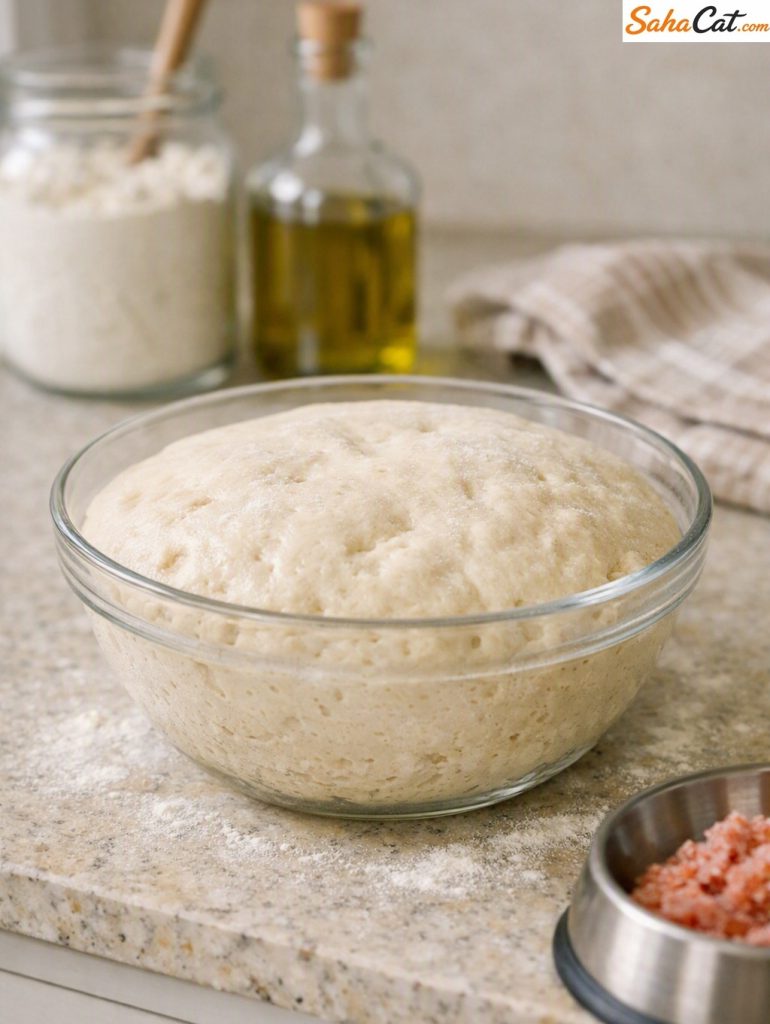
6. Raw Yeast Dough
Raw bread dough containing live yeast can be dangerous.
Inside the warm environment of the stomach, yeast dough can continue to expand and produce alcohol as it ferments. Expansion can cause painful stomach distension and, in serious cases, a life-threatening gastrointestinal emergency.
Keep rising dough away from curious cats, particularly when baking at home.
If your cat eats raw yeast dough, contact a veterinarian promptly rather than waiting to see whether symptoms develop.
7. Xylitol and Sugar-Free Products
Xylitol is a sugar substitute found in some human products, including certain chewing gums, candies, baked goods, and oral-care products.
This is worth being specific about rather than repeating the standard warning without checking it. Xylitol poisoning is well established in dogs, where it triggers a rapid insulin surge causing severe hypoglycemia and potentially liver injury. In cats specifically, that mechanism has not been demonstrated: a controlled study dosing cats with xylitol at levels well above what would critically harm a dog produced no hypoglycemia or liver injury, and the Merck Veterinary Manual states that dogs are the only domestic species in which xylitol toxicosis has actually been documented.
That doesn’t mean deliberately offering xylitol to your cat. The data specific to cats is far less extensive than the data for dogs, and most xylitol-containing products (sugar-free gum, certain peanut butters, baked goods) contain other ingredients that can still cause digestive upset or other problems unrelated to the xylitol itself. If your cat gets into a product containing xylitol, check the ingredient label and contact a veterinarian promptly — but knowing that cats don’t appear to share the dog-specific emergency mechanism matters if you also have a dog in the household and need to triage which pet needs more urgent attention.
The bigger lesson either way: avoid giving cats human “sugar-free” products altogether.
8. Raw or Undercooked Meat and Eggs
Raw meat and eggs are not necessarily “poisons,” but they can create important food-safety risks.
Raw animal products can carry disease-causing bacteria such as Salmonella and E. coli. These bacteria can make pets sick and can also create a household health risk when contaminated food, bowls, surfaces, or feces are handled.
Raw eggs also contain compounds that can interfere with nutrient absorption when consumed regularly.
If you are considering a raw diet for your cat, discuss the complete diet and food-safety risks with a veterinarian or veterinary nutrition professional rather than creating a diet from random raw ingredients.
9. Bones
Bones can be dangerous even when they are not poisonous.
A bone can:
Break into sharp pieces
Injure the mouth or throat
Become lodged in the esophagus
Cause an intestinal blockage
Injure the digestive tract
Require emergency treatment or surgery
Cooked bones are especially concerning because cooking can change their structure and make them more likely to splinter.
Do not give your cat leftover chicken, fish, turkey, or other bones as a casual treat.
10. Very Salty Foods
Cats need sodium, but excessive salt is not safe.
Large amounts of salt can disturb the body’s electrolyte balance and may cause serious illness.
Avoid giving cats foods such as:
Heavily salted snacks
Salted meats
Salty processed foods
Large amounts of chips or crackers
Very salty sauces or seasonings
Symptoms of excessive salt intake can include increased thirst and urination, vomiting, diarrhea, depression, tremors, and seizures.
A cat’s regular complete food already provides the nutrients and minerals it needs. There is no nutritional reason to add salty human snacks.
11. Fatty and Heavily Seasoned Foods
A small piece of plain cooked meat may be very different from a piece of greasy, seasoned human food.
High-fat foods can cause digestive upset and may contribute to pancreatitis in susceptible animals. Rich sauces and heavily seasoned meals can also contain ingredients that are unsafe for cats, such as onion, garlic, excessive salt, or spicy seasonings.
Avoid sharing foods such as:
Greasy fried foods
Fatty meat scraps
Bacon and very salty processed meats
Rich sauces
Heavily seasoned leftovers
Fast food
If you want to offer a human-food treat, plain, fully cooked, unseasoned meat is a safer choice than a seasoned table scrap — but treats should still remain a small part of your cat’s overall diet.
12. Spoiled, Moldy, or Contaminated Food
Cats should never be allowed to eat spoiled food simply because it smells interesting to them.
Moldy food can contain toxins, while spoiled foods can contain harmful microorganisms.
Keep garbage, compost, old leftovers, and opened food containers out of your cat’s reach.
This is particularly important for curious cats that investigate kitchen counters or open trash cans.
What About Milk and Dairy Products?
Milk is not usually considered a classic cat poison, but that does not mean it is an ideal cat treat.
Many cats have limited ability to digest lactose after weaning. Milk and some dairy products can therefore cause:
Diarrhea
Gas
Stomach discomfort
Vomiting
Some cats tolerate tiny amounts better than others, but there is generally no nutritional need to give a cat cow’s milk.
Fresh water is the better everyday drink for cats.
What About Tuna and Other Fish?
Tuna itself is not a classic poison for cats, but feeding human tuna regularly is not a good substitute for complete and balanced cat food.
Human canned tuna may not provide the nutritional balance cats need when fed as a primary diet. Some products can also contain considerable sodium or other ingredients.
If you give tuna as an occasional treat, keep the portion small and avoid products containing seasonings, onion, garlic, or excessive salt.
Raw fish specifically carries a separate, less-known risk
This deserves its own callout, since it’s a genuinely cat-relevant risk most “dangerous foods” lists skip entirely. Certain raw fish — carp, herring, and several others — contain an enzyme called thiaminase, which destroys thiamine (vitamin B1). Cats can’t store much thiamine and rely on a steady dietary supply, so a diet that’s heavily or exclusively raw fish can lead to thiamine deficiency, which causes serious neurological symptoms: dilated pupils, loss of coordination, disorientation, and in advanced cases, seizures. A one-off bite of raw fish isn’t the concern here — the risk comes from a raw-fish-heavy or all-raw-fish diet sustained over time, including some homemade or raw diets that aren’t properly balanced. Thiaminase is deactivated by heat, so cooked fish doesn’t carry this risk. If you feed your cat fish regularly, cooked is the safer default, and any homemade or raw diet should be formulated with a vet or veterinary nutritionist rather than assembled from general internet guidance.
Foods That Are Not Necessarily Toxic but Still Aren’t Good Cat Treats
Not every food on the “avoid” list is poisonous. Some foods are simply inappropriate because they can cause digestive problems, provide poor nutrition, or create a choking or obstruction risk.
Examples include:
Milk and large amounts of dairy
Greasy leftovers
Very salty foods
Raw bones
Cooked bones
Spoiled food
Large amounts of human tuna
Highly processed snacks
This distinction matters. “Not toxic” does not automatically mean “healthy for cats.”
What Should You Do If Your Cat Eats a Dangerous Food?
If you think your cat has eaten something potentially toxic or unsafe, stay calm and act quickly.
1. Remove access to the food
Prevent your cat from eating more.
2. Identify what was eaten
Keep the food package, ingredient list, or product label if possible.
3. Estimate the amount
Try to determine approximately how much your cat ate. Even an estimate can help the veterinarian assess the situation.
4. Note when it happened
Write down the approximate time of ingestion.
5. Contact a veterinarian
Call your veterinarian, an emergency veterinary clinic, or a poison control service — the ASPCA Animal Poison Control Center or the Pet Poison Helpline are both staffed, 24/7 options if you need guidance before or alongside reaching your regular vet (both may charge a consultation fee, worth knowing going in).
Do not assume your cat is safe just because it looks normal. Some toxic effects, particularly with onion and garlic exposure, may take days to become obvious.
6. Do not make your cat vomit unless a veterinarian specifically tells you to
Home attempts to induce vomiting can cause additional injury. Never give a cat hydrogen peroxide to make it vomit unless specifically instructed by a veterinarian; cats require veterinary-directed methods when emesis is appropriate.
Symptoms That May Require Urgent Veterinary Attention
Seek veterinary help immediately if your cat has potentially eaten a toxic food and develops symptoms such as:
Repeated vomiting
Severe diarrhea
Extreme weakness or lethargy
Pale or yellow gums
Difficulty breathing
Tremors
Seizures
Collapse
Loss of coordination
Severe abdominal pain or swelling
Unusual heartbeat
Difficulty standing or walking
Loss of consciousness
When poisoning is possible, do not wait for symptoms before asking for professional advice.
How to Prevent Accidental Food Poisoning
Most food-related accidents can be prevented with a few simple habits.
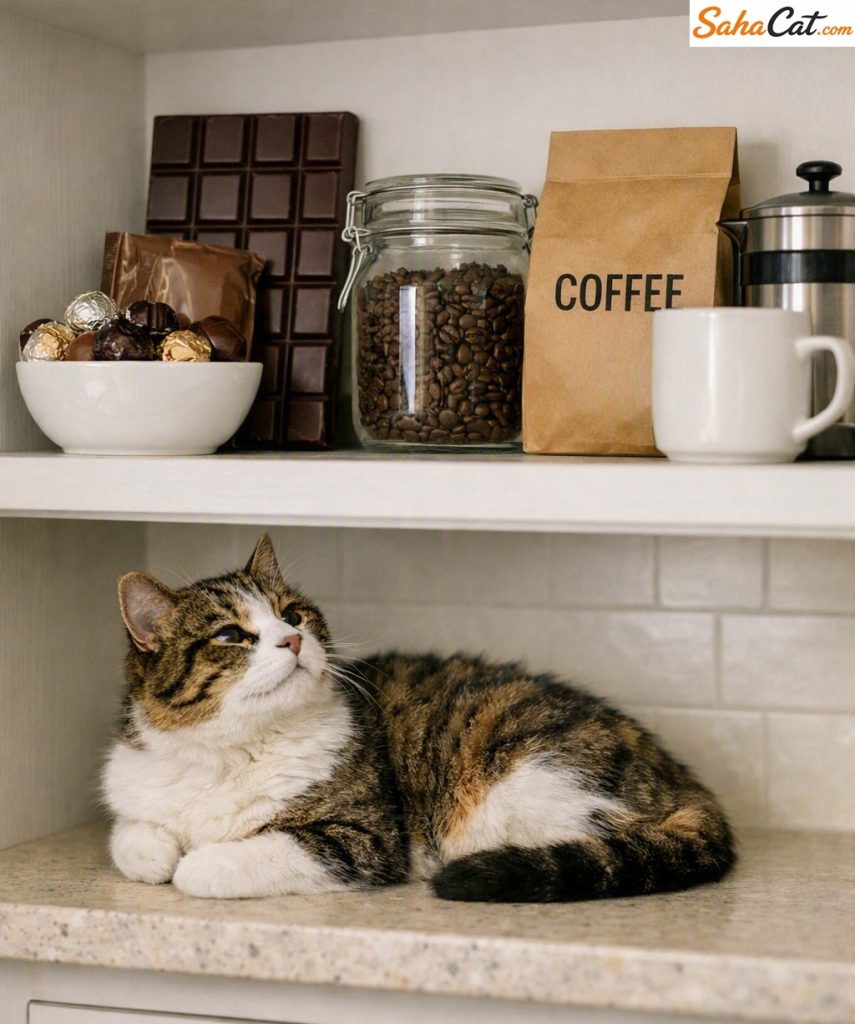
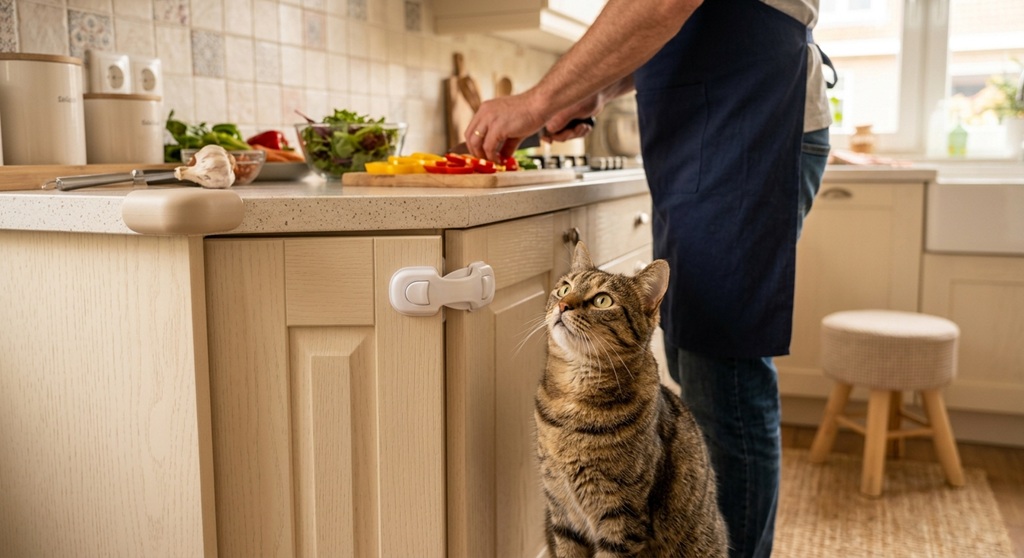
Keep human food out of reach
Do not leave dangerous foods unattended on counters, tables, or open bags.
Secure your trash
Cats can investigate garbage when they smell meat or other appealing foods. Use a covered bin and dispose of food scraps promptly.
Check ingredient labels
Onion powder, garlic powder, and other concentrated ingredients can appear in foods where you might not expect them.
Be careful while cooking
Keep cats away from rising dough, hot pans, dropped ingredients, and open food containers.
Teach everyone in the household
Children and visitors may not know which foods are unsafe for cats. A simple household rule — “Only give the cat food approved for cats” — can prevent many accidents.
Store treats separately
Keep cat treats in a dedicated container so they are easy to identify and portion.
A Simple Rule for Sharing Human Food With Your Cat
Before giving your cat a bite of your food, ask three questions:
Is this ingredient known to be safe for cats?
Is it plain and unseasoned?
Does my cat actually need this food?
If you cannot confidently answer all three, skip the treat.
Your cat does not need to share your meal to feel included. A small portion of an appropriate cat treat — or simply some attention, play, or affection — is usually a better choice.
Frequently Asked Questions
Can cats eat chocolate?
No. Chocolate contains theobromine and caffeine, which can cause potentially serious toxicity. Keep chocolate and cocoa products away from cats.
Can cats eat onions or garlic?
No. Onions, garlic, chives, leeks, and related Allium plants can damage red blood cells and cause anemia. Concentrated powders and seasonings can be especially dangerous.
Can cats drink milk?
Many adult cats have difficulty digesting lactose, so milk can cause digestive upset. Fresh water is the best everyday drink.
Are grapes poisonous to cats?
Grapes and raisins should be avoided. Serious kidney injury is well documented in dogs, while evidence in cats is much more limited, so there is no reliable reason to consider them a safe treat.
Can cats eat raw meat or raw fish?
Raw meat can carry harmful bacteria such as Salmonella and E. coli. Raw fish carries a separate risk: certain species contain an enzyme that destroys thiamine, and a diet heavy in raw fish can lead to a serious neurological deficiency over time. If you are considering a raw diet, discuss the risks and nutritional requirements with a veterinarian or qualified veterinary nutrition professional.
Is xylitol dangerous for cats?
It’s well established as dangerous in dogs, but the specific mechanism hasn’t been demonstrated in cats — a controlled study and the Merck Veterinary Manual both indicate cats don’t share the same hypoglycemia risk. That said, xylitol-containing products often have other ingredients that can still cause problems, so they’re still worth keeping away from your cat.
What should I do if my cat ate something toxic?
Contact a veterinarian or emergency veterinary clinic promptly. Keep the packaging or ingredient list, estimate how much was eaten, and note when the exposure happened. Do not attempt home vomiting treatments unless a veterinarian specifically instructs you to.
The Bottom Line
The easiest way to protect your cat from food poisoning is to keep its diet simple and predictable.
Never intentionally feed cats onions, garlic, chocolate, alcohol, caffeine, grapes, raisins, raw yeast dough, or other potentially hazardous human foods. Be equally cautious with bones, raw animal products (including raw fish fed regularly), salty or fatty leftovers, spoiled food, and unfamiliar sugar-free products.
When an accidental exposure happens, the safest response is to contact a veterinarian promptly rather than waiting for symptoms.
A healthy cat does not need most human foods. A complete and balanced cat diet, fresh water, appropriate treats, and good portion control provide everything your cat needs without the unnecessary risks of sharing your plate.
Sources consulted: Merck Veterinary Manual, ASPCA Animal Poison Control, FDA, Peer-reviewed feline xylitol study (PubMed 29430681), Davies Veterinary Specialists and Animal Medical Center of New York (thiamine deficiency/thiaminase), Cornell University College of Veterinary Medicine.